A Look Back: The Belmont by Reside
Imagine: We’ve decided to start this post by asking you to close your eyes and imagine that you’re able to travel back in time. Do you have Spotify? If you do, before reading any further click here or search for King Oliver’s Creole Jazz Band (Dipper Mouth Blues) and hit play. Do you have the music going? Ok, let’s continue this exercise.
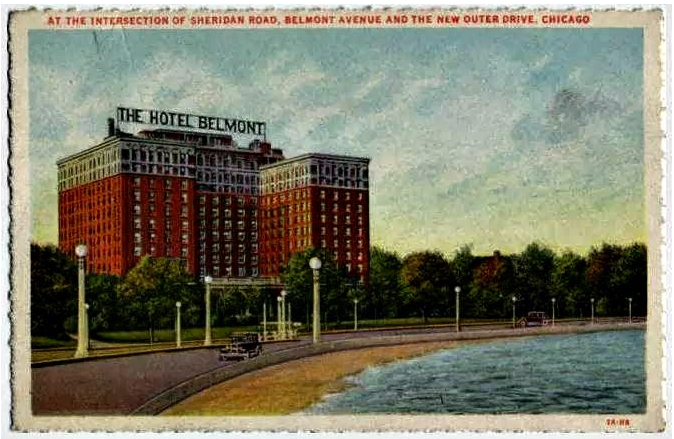
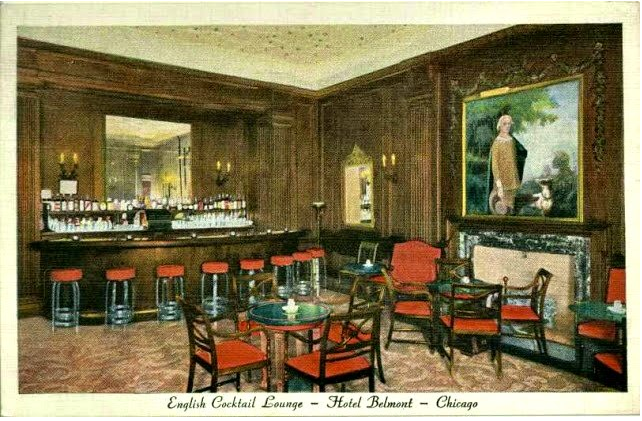
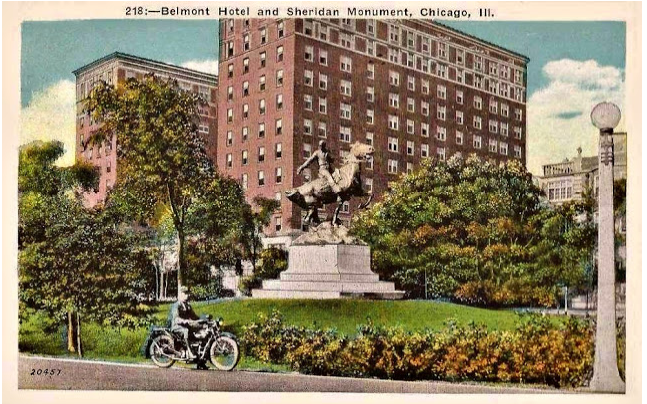
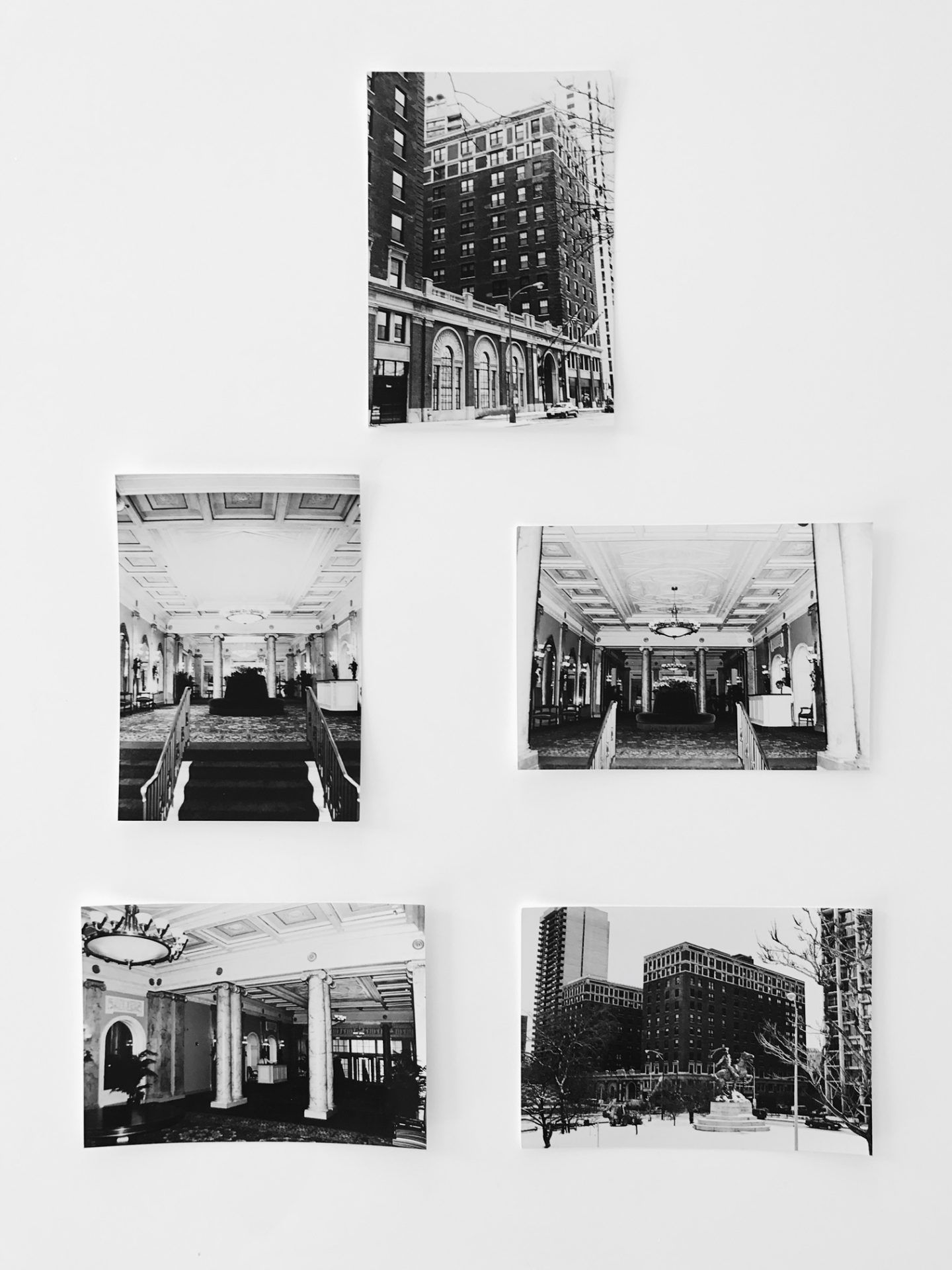
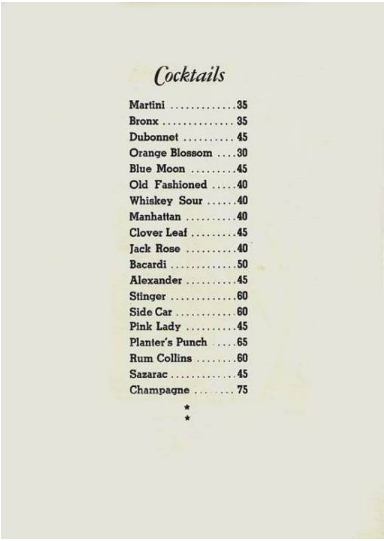
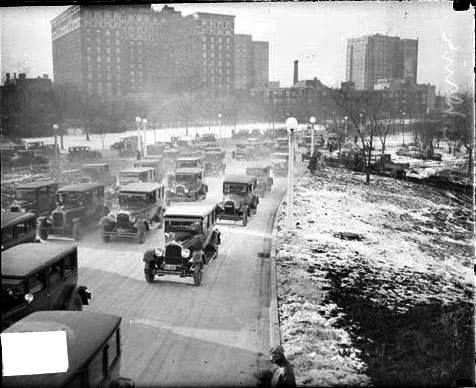
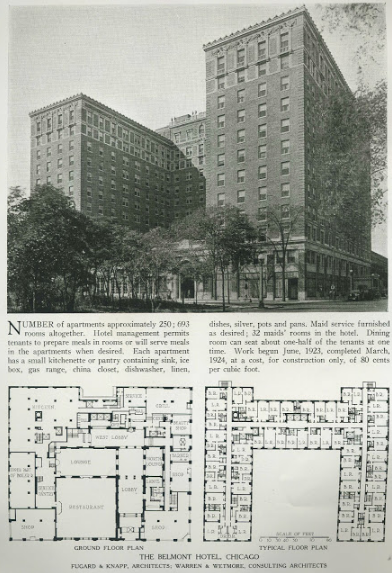
Close your eyes and imagine that it’s 1924 and you’ve just arrived at The Hotel Belmont. The space is grand, the fire place is going and the music is rich. You’ve made your way to the bar known affectionately as the English Cocktail Lounge. You order a “Planter’s Punch” for .65 cents and begin your evening. Once you’ve finished sipping your drink you join a friend for dinner in the hotel’s magnificent dining room / restaurant, where Chef Pierre Deltort serves beautiful French cuisine priced at $1.50. Steep we know but worth it. Finally, you finish your meal and head just outside where you enjoy a stroll along the water. The hotel is of course situated along the water’s edge over looking “breeze-swept” Belmont Harbor.
Did you know? Did you know that from early in its history, Chicago’s hotels catered to both to tourists and to longer-term residents who paid by the week or month instead of by the night? Extended stay hotels were extremely popular specifically in the Lakeview neighborhood where you had immediate access to the city’s harbors. Until 1930, people might move to Chicago and never live anywhere except in a hotel. A room or suite of rooms in a palatial hotel (for the rich) or a middle-priced hotel were luxurious, conveniently located, and less expensive than maintaining a private house in the city. Hotels gave Chicago residents an instant social position, and interaction with some of the wealthiest residents of the city. Many of Chicago’s women physicians and businesswomen could pursue their professional lives only because hotel life freed them from household duties.
The Hotel Belmont was a well-preserved and architecturally noteworthy example of the large residential hotels constructed along Chicago’s Lakeshore in the decade following World War I. The $6 million, thirteen-story structure was completed in 1923 and dedicated by Mayor William E. Dever on February 7, 1924 with a dinner and dance attended by 500 guests. The Belmont featured 693 rooms, a 500-seat dining room, private function rooms, a ball room, a roof garden, coffee shop, and retail shops at the ground floor. Rates per evening ranged from $4.00-$5.00 nightly with weekly and monthly rental options available.
The Belmont by Reside: Naturally over span of 94 years Hotel Belmont underwent numerous changes, including its conversion to a nursing home/hotel known as The Belmont House. Finally, in 1993 the building was converted to traditional use apartments. In 2008 Reside Living acquired the historic Belmont House, renovating the property top to bottom.
The building is listed on National Register of Historic Places and retains many of its original historic features. For instance, what was once known as the English Cocktail Lounge is now known as The American Room. The American Room retains all the original wood detail that has remained untouched over the last 94 years. While it now serves as a resident lounge one can almost imagine what it was like to sit at the bar back in 1924. Along with The American Room the molding and artistic features found on the ceiling of the lobby have all been preserved and maintained. The lobby’s columns convey a sense of elegance and grandeur that sweeps through the entire building.
To us one of the most stunning preserved features of The Belmont is found in the most unlikely of places. Once the ballroom and now a parking garage the dome structure that once housed dancing guests still remains. Looking up at the intricate detail and art you are almost instantly transported back in time. It is truly a historic Chicago gem.
Living at The Belmont by Reside is in the truest sense living Chicago. Renter’s now have studio, one bed and two bed options to choose from. All of the apartments have been upgraded but if you look closely you can see a bit of the former hotel peeking through.
If you tend to geek out when it comes to stuff like this, check out this page from the Lakeview Historical Chronicles website. Scroll down and you’ll find tons of great images and articles about The Hotel Belmont as well as other extended stay hotels that are currently up and running as apartment communities.
In the rare chance that you don’t have Spotify we’ve linked some tunes from the twenties that will really help you imagine what 1923 and 1924 felt like.