How to Forward Your Mail and Change Your Address Without the Stress
Moving to a new home comes with a mix of excitement and chaos. Between packing, scheduling movers, setting up utilities, and adjusting to a new neighborhood, changing your address can feel like just another stressful task on an already long list.
Planning a move to Chicago? While forwarding your mail and updating your address are important steps, staying organized throughout the entire moving process can make your transition much easier. Check out our complete Chicago moving checklist for helpful packing tips, setting up utilities, budgeting for your move, updating important documents, and preparing for moving day with less stress and more confidence.
Unfortunately, forgetting to update your address or forward your mail can lead to missed bills, lost packages, delayed documents, and unnecessary frustration.
The good news is that forwarding your mail and updating your address is much easier when you handle it early and stay organized.
Why Mail Forwarding Matters
When you move, your mail does not automatically follow you. Unless you officially request forwarding services, letters and packages will continue going to your previous address. That can become a serious issue if important documents like bank statements, insurance notices, tax forms, or medical information end up in the wrong place.
Setting up mail forwarding through the United States Postal Service gives you a safety net while you transition into your new home. It allows your mail to be redirected temporarily while you update your address with companies, services, and government agencies.
Many people assume forwarding mail is enough on its own, but it should only be part of the process. Updating your address directly with important accounts is still essential.
Start the Process Before You Move
One of the easiest ways to reduce stress is to begin updating your address before moving day arrives. Waiting until the last minute often leads to forgotten accounts and delayed deliveries.
As soon as you know your new address, start notifying important services. Banks, employers, insurance providers, and healthcare offices should be updated first since these organizations frequently send sensitive or time-sensitive documents.
It is also smart to check your online shopping accounts and saved delivery addresses. Many people accidentally ship packages to their old homes weeks after moving simply because outdated information is stored in an app or on a website.
How Mail Forwarding Works
Mail forwarding is designed to temporarily redirect mail from your old address to your new one. You can usually choose between temporary forwarding for short-term moves or permanent forwarding for long-term relocations.
The process itself is simple and can often be completed online in just a few minutes. Once active, forwarded mail typically begins arriving at your new address shortly after your move.
However, forwarding does not always apply to every type of package or service, and some mail may still slip through if senders are not updated directly. That is why it is important to think of forwarding as a backup plan rather than a permanent solution.
Checking your forwarded mail regularly during the first few months can also help you identify which companies still need your updated address.
Keep Important Documents Organized

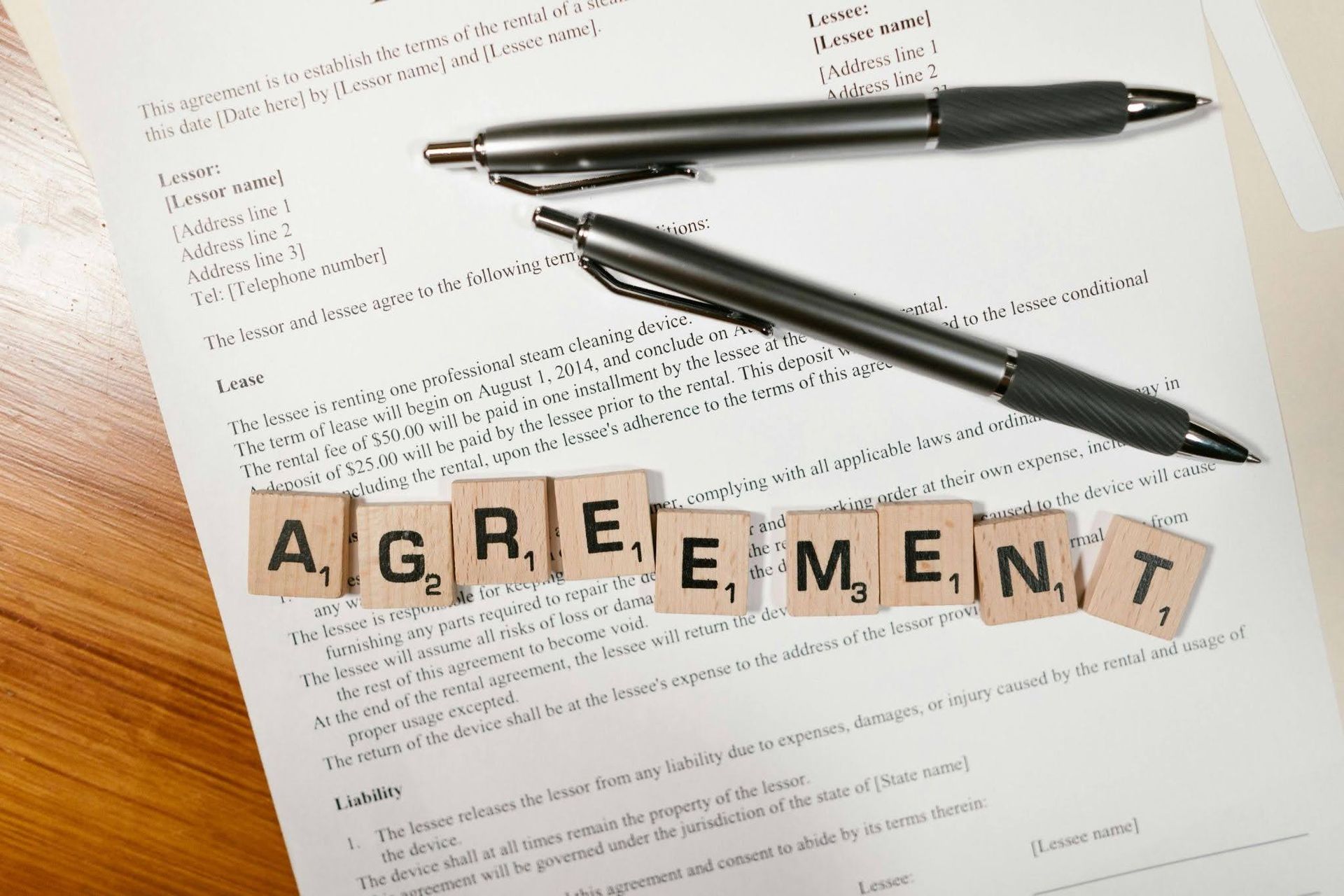
Moving has a way of making paperwork disappear. Lease agreements, utility confirmations, receipts, and moving contracts can easily get buried under boxes or misplaced during unpacking.
Keeping your important documents together in one secure folder can make the transition much smoother. Digital copies are also useful if physical paperwork is lost during the move.
Having quick access to your records becomes especially helpful when setting up utilities, verifying residency, or confirming address changes with companies that request documentation. Having organization may seem small, but it can save a significant amount of stress during busy moving weeks.
Avoid Common Address Change Mistakes
One of the most common moving mistakes is assuming every account updates automatically. In reality, many companies require manual changes, even if you have already submitted a forwarding request.
Subscription services are another area people frequently forget. Meal kits, monthly memberships, magazines, and online retailers often continue shipping items to an old address unless updated individually.
Another issue happens when people wait too long to change billing addresses. Delayed updates can result in missed payments, late fees, or security concerns if sensitive information reaches the wrong location.
Even after your move, continue checking for missing mail during the first several weeks. Sometimes, smaller accounts or rarely used services are easy to overlook.
Utilities are another major source of moving stress when they are not handled ahead of time. No one wants to arrive at a new home without electricity, internet, or water already set up.
Scheduling service transfers before moving day helps create a smoother transition. Many providers allow you to coordinate shutoff dates for your old home and activation dates for your new one in advance.
Giving yourself a small overlap between services can also help avoid interruptions while you move between locations.
Protect Your Personal Information

Moves often increase the risk of identity theft because personal documents and mail are constantly changing locations. Bills, financial paperwork, and packages can easily become exposed during the transition.
Shredding outdated documents and monitoring your accounts closely during your move can help protect your information. It is also important to collect remaining mail promptly from your old address whenever possible.
Updating financial institutions early reduces the chances of sensitive information being mailed to the wrong location.
If you move into an apartment or shared mailbox area, make sure your new mailbox is secure and properly labeled to avoid delivery confusion.
Adjusting to Your New Home
Once the moving process is complete and your address changes are handled, settling into your new home becomes much easier. Simple tasks like updating your mailing information may not seem exciting, but they help create stability during a major life transition.
Moving is already stressful enough without worrying about lost mail, missing packages, or delayed bills. Taking care of address updates early, forwarding your mail properly, and staying organized can make the entire experience feel far more manageable.
A little preparation goes a long way. Instead of scrambling to fix problems after the move, you can focus on unpacking, getting comfortable, and enjoying your new space with peace of mind