How to Make a Rental Feel Like Home Without Losing Your Deposit

April 23, 2026

Renting does not have to mean living in a space that feels temporary or impersonal. You can create comfort, style, and function while respecting your lease and protecting your deposit.

This guide covers practical and affordable ways to improve your space through furniture choices, layout, storage, and local shopping.


1. Budget Furniture and Thrifting


You do not need a large budget to create a well-designed home. Focus on flexible pieces that serve more than one purpose.

Start with essentials:
• A comfortable sofa or modular sofa that’s ideal for renting, easy to move, fits in elevators or stairwells, and can be adjusted for small or large spaces
• A table that works for dining and work
• Storage pieces that also look good, such as ottomans or benches

Thrifting tips:
• Choose solid wood furniture when possible because it lasts longer and can be refinished
• Update finishes with paint or adhesive wraps
• Check structure and stability before appearance


Affordable upgrades:
• Change hardware on drawers and cabinets
• Use removable wallpaper or contact paper on surfaces
• Add rugs, cushions, and throws for texture

You can also explore available apartments and design inspiration at https://www.resideliving.com/ to see how different layouts and styles come together.


2. Layout Tips for Small Spaces or Studios
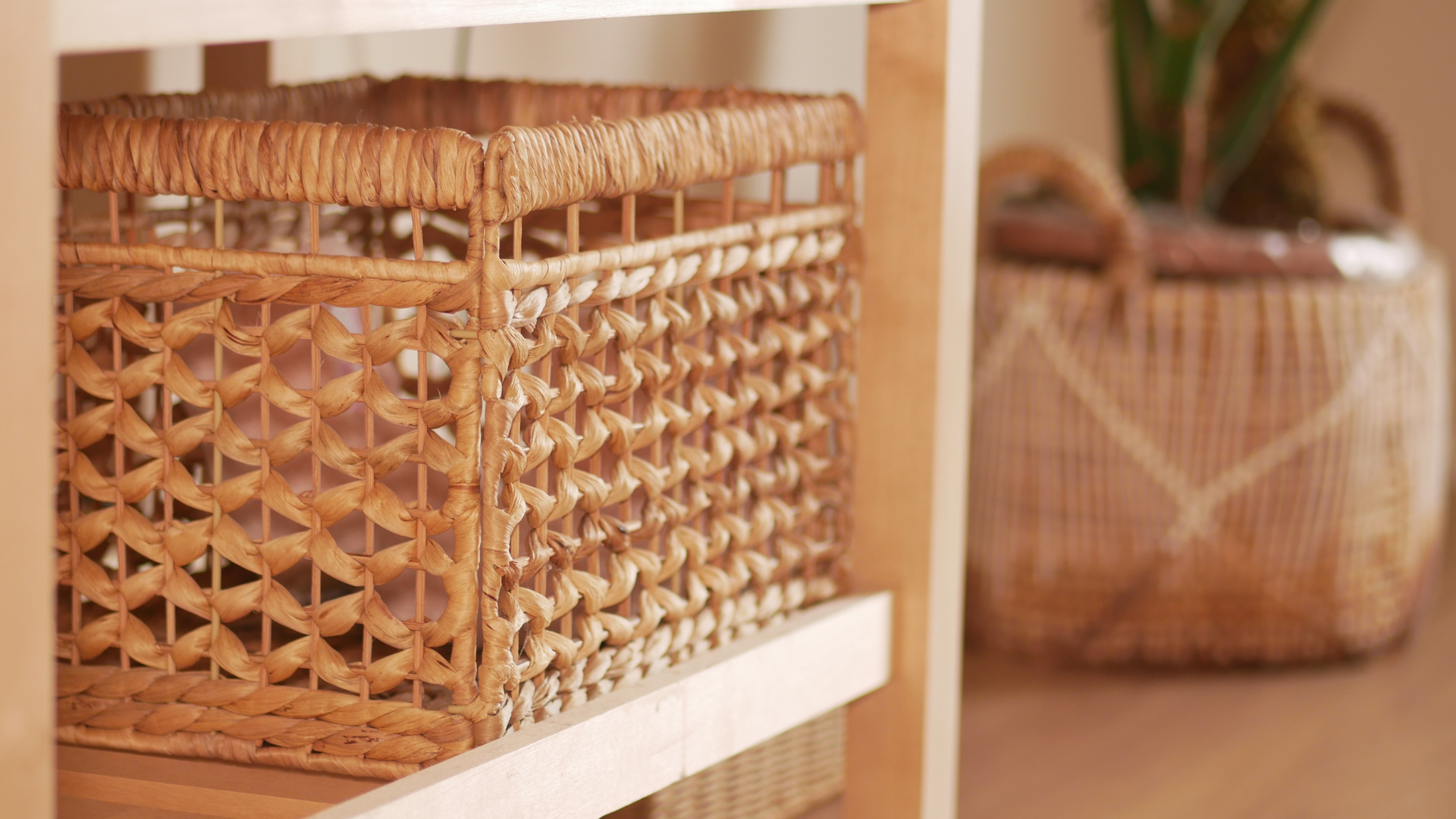
Woven wicker storage baskets on a shelf, one in focus and another blurred in the background.

When space is limited, layout is key to comfort and function.

  • Define zones:
    • Use rugs to separate living and sleeping areas
    • Use shelves or curtains to divide space
    • Use different lighting sources to create distinct areas
  • Use vertical space:
    • Tall shelves help maximize storage
    • Removable hooks keep items off the floor
  • Place furniture with intention:
    • Avoid pushing everything against the wall
    • Create small groupings for seating or work
  • Choose pieces with multiple uses:
    • Sofa beds
    • Foldable tables
    • Nesting tables

If you are deciding where to live, browsing different areas at https://www.resideliving.com/neighborhoods can help you understand what type of layout may suit your lifestyle.


3. Storage Hacks That Work
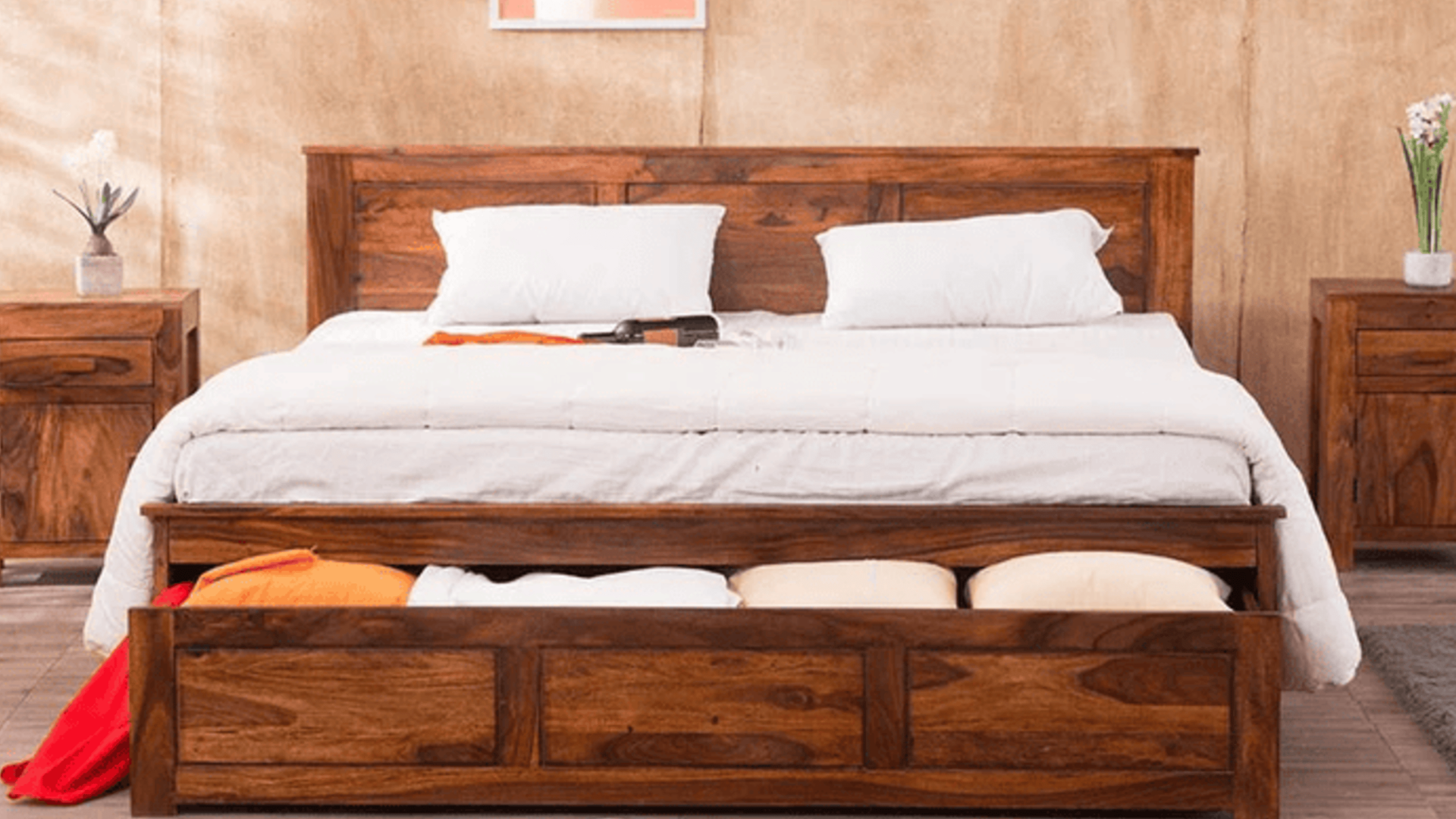


Wooden bed with white bedding and open storage drawers in a warm-toned bedroom

Good storage keeps your space organized and easier to maintain.


Hidden storage options:
• Under bed bins
• Storage ottomans
• Beds with built in drawers


Closet improvements:
• Add a second hanging rod
• Use slim hangers
• Add temporary shelving units


Use doors and walls:
• Over the door organizers
• Adhesive hooks for everyday items


Kitchen solutions:
• Stackable shelves inside cabinets
• Magnetic strips for tools
• Rolling carts for extra surface space


4. Where to Shop Locally
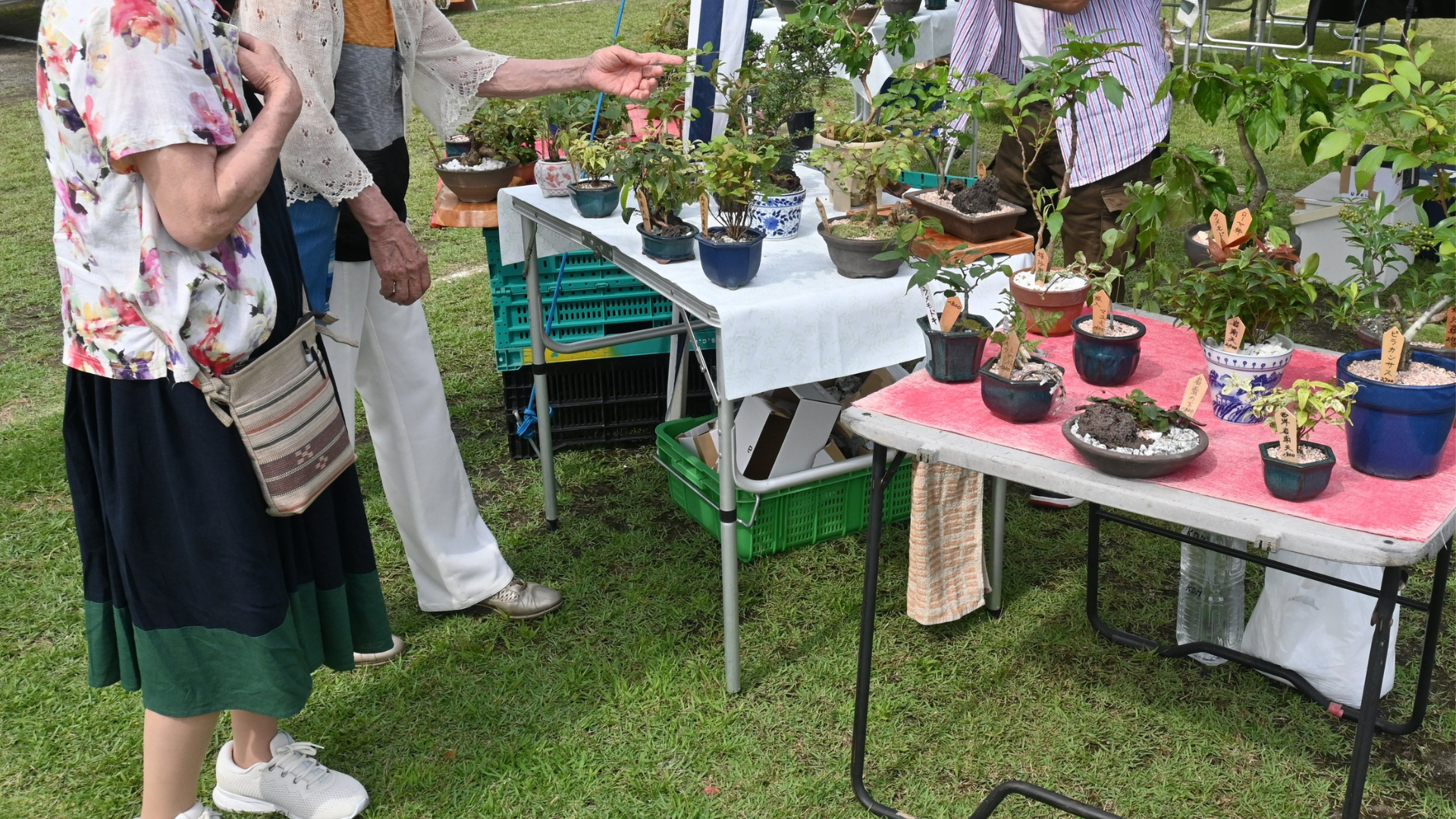

People browsing potted plants at an outdoor garden sale on tables with pink and white cloths

Shopping locally helps you find unique items and support small businesses.


Places to explore:
• Thrift and consignment shops
• Flea markets
• Artisan markets
• Small decor stores


Benefits:
• Higher quality items
• Unique pieces
• Direct support for local businesses

If you need guidance or recommendations, you can reach out directly through https://www.resideliving.com/contact


5. Design Ideas by Personality and Lifestyle
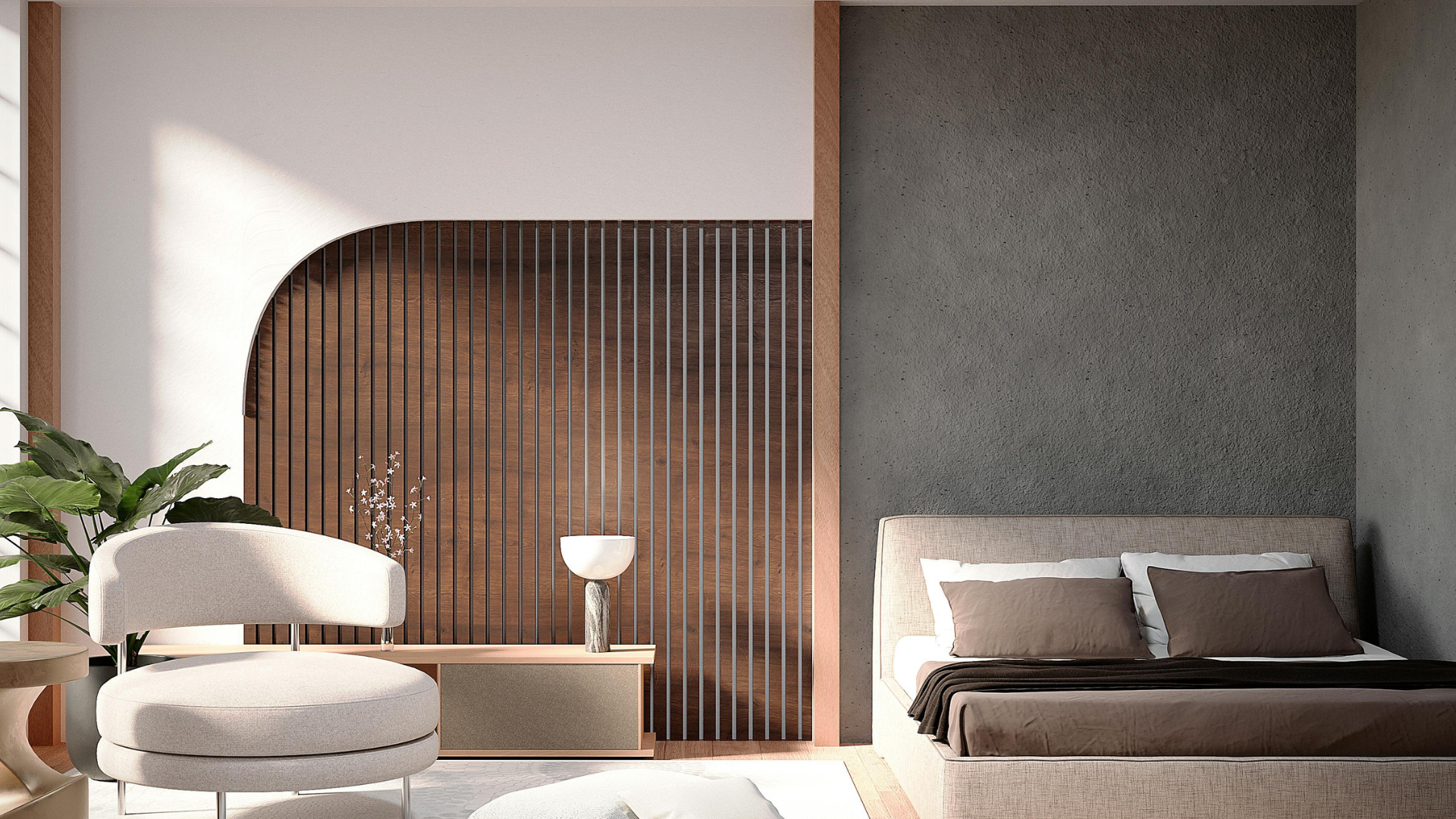
Modern minimalist bedroom with a bed, curved wood accent wall, and soft natural light

Your home should reflect how you live and what you enjoy.


Minimalist:
• Neutral colors
• Clean surfaces
• Fewer but higher quality items


Creative:
• Gallery walls with removable strips
• Mixed textures and colors
• Personal artwork


Comfort-focused:
• Soft fabrics and layered textiles
• Warm lighting
• Comfortable seating


Work from home:
• A dedicated desk area
• Comfortable chair
• Good lighting


Final Thoughts

Creating a home in a rental is about making thoughtful choices that fit your needs and your lease. With the right furniture, layout, and storage, you can build a space that feels comfortable and functional.

Each improvement adds to your daily experience while keeping your deposit secure.


A smiling couple carrying moving boxes in a bright home, one box filled with a green plant
September 28, 2026
Chicago is a city best experienced on foot. Beyond the skyline and downtown core, each neighborhood has its personality. In places like Wicker Park, Logan Square, Bucktown, and nearby areas, that personality shows up through independent shops, creative boutiques, and locally run spaces that bring real character to everyday living. Wicker Park and Bucktown creative energy Wicker Park is one of the most recognized neighborhoods for independent retail in Chicago. It is known for its artistic energy, music history, and strong support of local businesses. Walking along Milwaukee Avenue and Damen Avenue, you will find curated fashion boutiques, vintage stores, and unique concept shops that reflect the area's creative identity. Local favorites include Una Mae’s , a long-running independent boutique known for its mix of vintage-inspired clothing, modern fashion, home goods, and gifts. Kokorokoko is another popular stop for vintage clothing and unique finds, while shops like Eskell highlight independent fashion and creative design. These stores represent the neighborhood’s mix of style, creativity, and individuality. Many of these shops focus on sustainability, handmade goods, and small-batch design. You will also find spaces that blend coffee culture with retail, where people gather, browse, and connect. This makes shopping feel more like a social experience than a transaction. Bucktown, which sits right next to Wicker Park, continues this creative atmosphere with galleries, independent home goods stores, and fashion boutiques that highlight local designers. Exploring areas around Damen Avenue and Milwaukee Avenue gives residents and visitors access to various small businesses that help define the neighborhood. If you want to understand how these neighborhoods fit into the broader city lifestyle, you can explore more here: Neighborhoods Guide
Three people sit on a red couch in a living room, looking at something offscreen.
September 8, 2026
Learn essential apartment maintenance and cleaning tips for renters, from everyday upkeep to reporting repairs and protecting your apartment.
Living room with blue sofa and search bar reading “Apartments to rent”
August 24, 2026
Finding the right apartment involves more than choosing a floor plan. Here are the differences between a private landlord and a property management company.
Pens on a contract with wooden tiles spelling “AGREEMENT”
August 24, 2026
Signing a lease is a big step in the rental process. Our guide breaks down the most important lease terms every renter should know before signing!
Aerial view of Chicago skyline along Lake Michigan with a sandy beach and curving lakeside road
June 24, 2026
Discover the best dining, shopping, recreation, and entertainment in Chicago's West Loop, Gold Coast, Lincoln Park, and Lakeview neighborhoods.
June 9, 2026
Moving to a new home comes with a mix of excitement and chaos. Between packing, scheduling movers, setting up utilities, and adjusting to a new neighborhood, changing your address can feel like just another stressful task on an already long list. Planning a move to Chicago? While forwarding your mail and updating your address are important steps, staying organized throughout the entire moving process can make your transition much easier. Check out our complete Chicago moving checklist for helpful packing tips, setting up utilities, budgeting for your move, updating important documents, and preparing for moving day with less stress and more confidence. Unfortunately, forgetting to update your address or forward your mail can lead to missed bills, lost packages, delayed documents, and unnecessary frustration. The good news is that forwarding your mail and updating your address is much easier when you handle it early and stay organized.
More Posts