Exploring Chicago's Iconic Landmarks: From Skydeck to St. James Cathedral
Let's dive into the awesome sights that make Chicago special! We'll explore the stories behind some of the city's coolest spots: the futuristic Skydeck at Willis Tower, the classic charm of Glessner House and Clarke House, and the stunning St. James Cathedral, and all Chicago icons. These landmarks each have their own tale to tell, painting a colorful picture of Chicago's history. These are just a few of the spots that make Chicago such a special place to live, but don’t just take our word for it. Check out Reside Living’s apartments and learn for yourself what it’s like to call Chicago your home.
The Bean
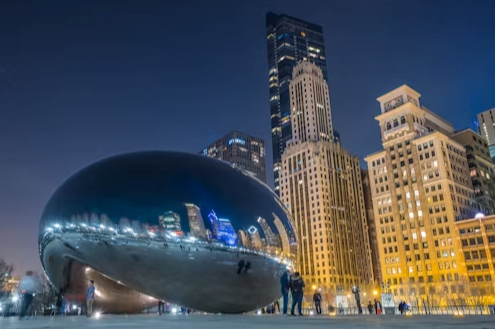
The Bean, officially known as Cloud Gate, is a prominent attraction in Millennium Park, Chicago. Designed by Anish Kapoor and unveiled in 2004, this monumental stainless steel sculpture offers an interactive experience with its highly reflective surface, capturing the city skyline and the sky above. Its distinctive bean-like shape has garnered global acclaim, establishing it as a significant symbol of Chicago. Whether through cinematic portrayals or social media snapshots, The Bean has become a beloved icon, showcasing the transformative power of public art and drawing millions of visitors annually to appreciate its beauty and reflections.
Here's a fun fact about "The Bean" (Cloud Gate): Did you know that its surface reflects about 80% of the sky, making it not only a mirror for the cityscape but also a dynamic canvas that changes with the weather and time of day? This unique feature adds to its allure as a must-see attraction in Millennium Park, Chicago.
Skydeck At Willis Tower

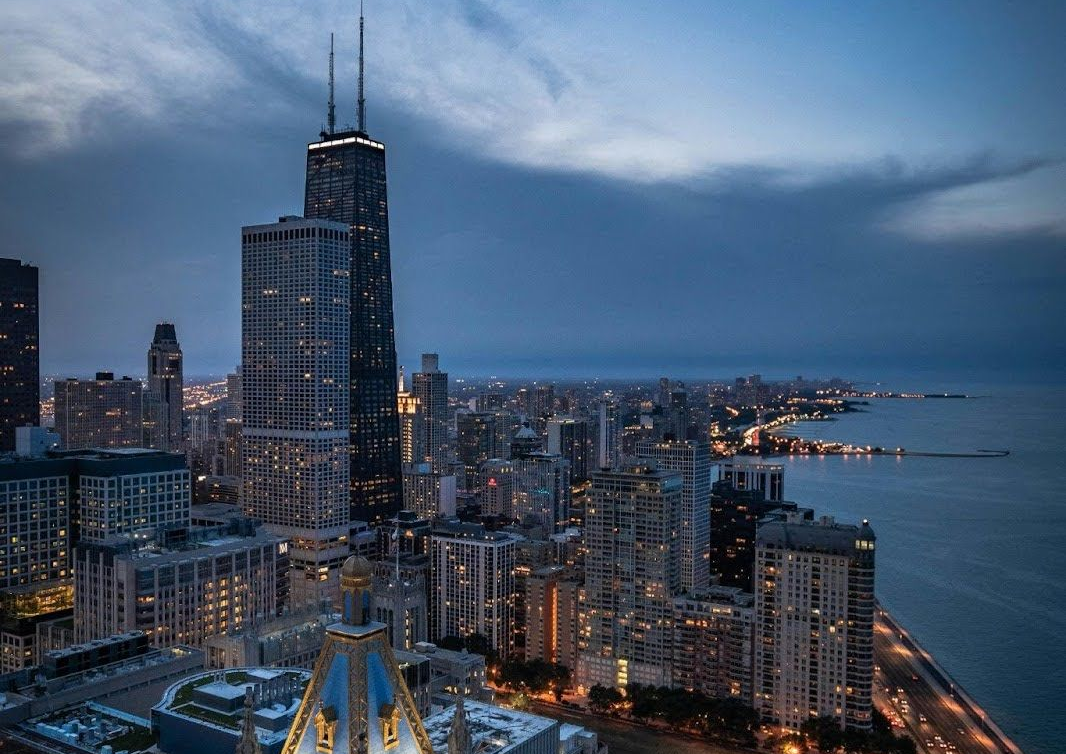
The Skydeck at Willis Tower, formerly known as the Sears Tower, is an impressive observation deck located in downtown Chicago. Perched atop the 103rd floor of the Willis Tower, it offers stunning panoramic views of the city and Lake Michigan from an elevation of over 1,300 feet . A standout feature of the Skydeck is "The Ledge," transparent glass boxes that extend outward from the building, providing exhilarating views straight down. In addition to its breathtaking vistas, the Skydeck features informative exhibits detailing Chicago's rich history, architecture, and notable landmarks. Renowned for its unique perspective on Chicago's skyline and urban landscape, the Skydeck is a popular destination for tourists seeking an unforgettable experience. Tickets can be purchased online to enjoy the unparalleled views from this iconic vantage point.
Here's a fun fact about the Skydeck at Willis Tower: On a clear day, you can see four states from the Skydeck's observation deck—Illinois, Indiana, Wisconsin, and Michigan. The breathtaking panoramic views span up to 50 miles and offer a unique perspective on the vastness of the Midwest region. It's a thrilling experience that highlights the tower's status as one of the tallest buildings in the United States and a premier destination for visitors seeking panoramic vistas of Chicago and beyond.
Henry B. Clarke House
City of Chicago :: Clarke-Ford House
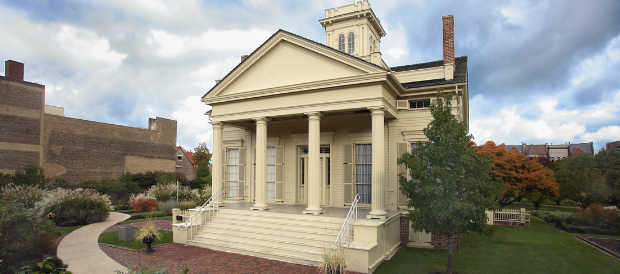
Henry B. Clarke House stands as a significant landmark as Chicago's oldest surviving house, constructed in 1836. Reflecting the Greek Revival style prevalent in pre-Civil War Chicago, it was once the residence of Henry B. Clarke, a prominent merchant and banker who played a pivotal role in the city's early development. Located in the Prairie Avenue Historic District, the house has been meticulously restored to its mid-19th century appearance, complete with period furniture and artifacts. Today, it serves as a museum under the Chicago Architecture Center, offering visitors a captivating journey into Chicago's pioneer era and the evolution of its architectural landscape over the decades.
Here's a fun fact about the Henry B. Clarke House: It survived the Great Chicago Fire of 1871, making it not only Chicago's oldest surviving house but also a resilient testament to the city's history. Despite the fire's devastation, the Clarke House stood strong, providing a tangible link to Chicago's pioneer days and offering visitors a glimpse into the architectural and cultural heritage of the city's early years.
Glessner House
www.glessnerhouse.org Glessner House
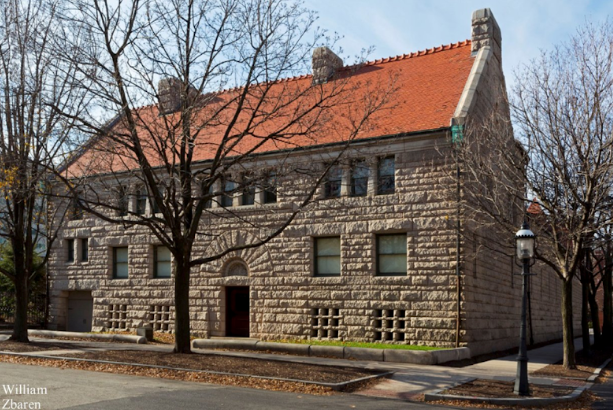
The Glessner House, located in Chicago's Prairie Avenue Historic District, is an architectural gem designed by renowned architect Henry Hobson Richardson. Completed in 1887 for industrialist John J. Glessner and his family, the house is celebrated for its Richardsonian Romanesque style, characterized by its massive stone walls, rounded arches, and intricate detailing. It served as a departure from the ornate Victorian architecture of its time, instead focusing on robust simplicity and functional design. The interior features innovative spatial arrangements and modern amenities for its era, reflecting the Glessners' forward-thinking approach. Today, the Glessner House is preserved as a historic museum, offering visitors a glimpse into late 19th-century Chicago life and Richardson's influential architectural legacy.
Here's a fun fact about Glessner House: The house was equipped with an early version of central heating, which was quite advanced for its time. Designed in the late 19th century, this system utilized hot water pipes to distribute heat throughout the building, providing comfort to the Glessner family and reflecting the progressive nature of the house's design. This innovative feature underscores Glessner House's role not only as a masterpiece of architecture but also as a symbol of technological advancement during the late 1800s.
Burn marks on St. James Cathedral
7 spots to see Chicago history up close | Choose Chicago
The Chicago Fire of 1871, believed to have started from a barn on October 8, devastated the city over three days, consuming 3.3 square miles and destroying 17,000 buildings, leaving 100,000 people homeless. Despite the immense destruction and economic losses totaling $200 million, Chicago quickly began to rebuild with innovative architectural and urban planning efforts. The fire spurred advancements in fire safety and construction practices nationwide, shaping modern urban development and emphasizing the importance of resilient infrastructure and fire prevention measures in cities across America.
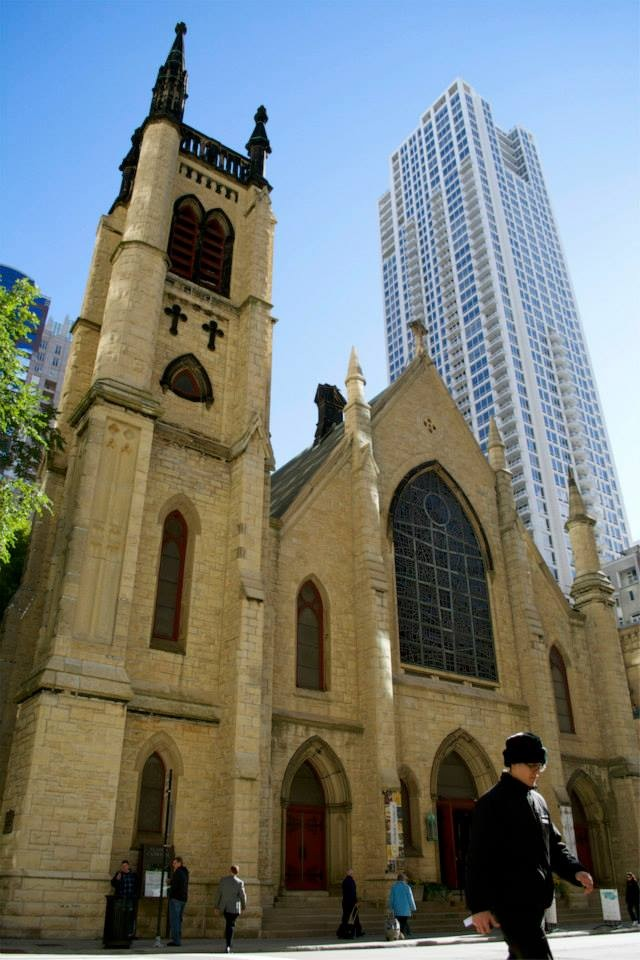
A fascinating fact about St. James Cathedral in Chicago is that it bears visible burn marks from the Great Chicago Fire of 1871. Despite the fire's devastation, which destroyed much of the surrounding area, St. James Cathedral survived with notable scorch marks on its exterior stonework. These marks serve as a poignant reminder of the city's resilience and the cathedral's enduring presence through one of Chicago's most significant historical events.
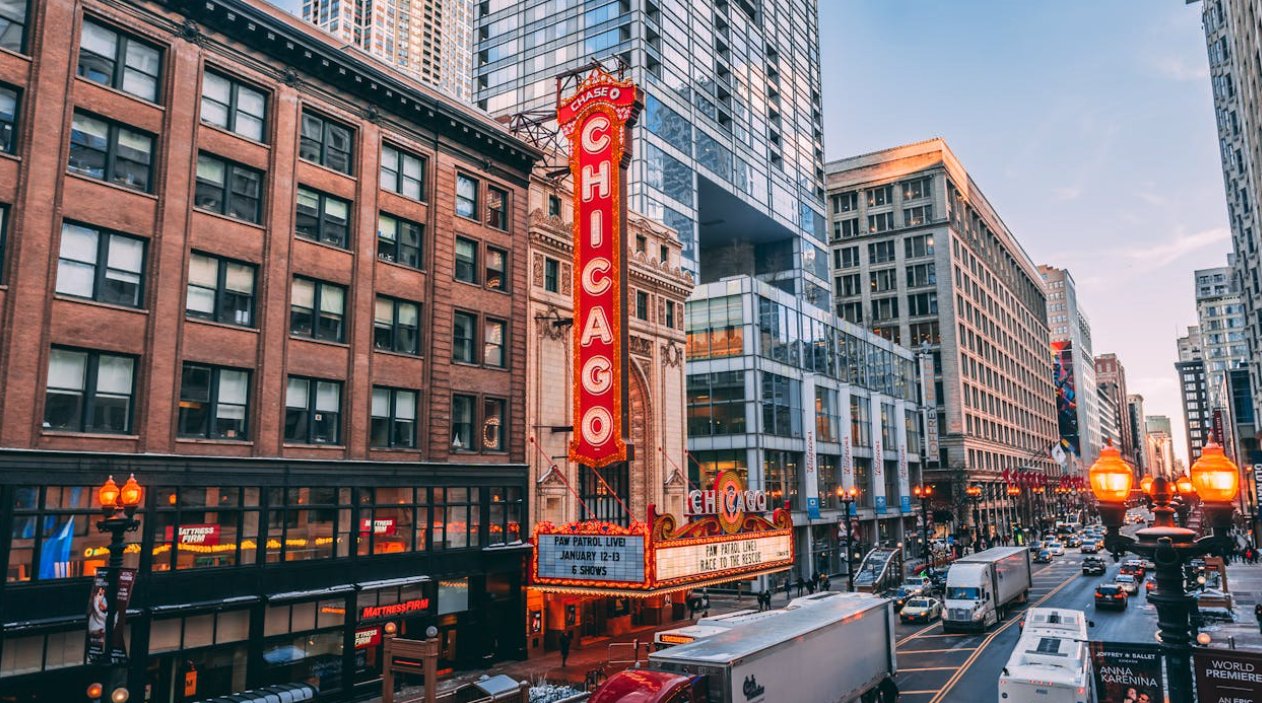
Chicago's iconic landmarks, from the thrilling heights of the Skydeck at Willis Tower to the historic charm of Glessner House and Clarke House reflect the city's rich tapestry of history and culture. Each of these sites tells a story of architectural innovation, resilience, and the evolving spirit of the city. Whether marveling at the skyline from above, stepping back in time through historic homes, or finding solace in the tranquility of a magnificent cathedral, these landmarks continue to captivate and inspire visitors, embodying the essence of Chicago.