6 Ways to Live Sustainably in Your Chicago Apartment
As climate change and environmental issues continue to be hot topics on a global scale, more and more people are trying to do their small part at home by living sustainably and in greater harmony with the environment.
Swapping single-use products for long-lasting solutions, saving on energy use and consumption, and opting for a greener way of living are all excellent small steps to a more sustainable lifestyle. In any case, you should always challenge yourself and be on the lookout for new ways to reduce your environmental impact.
You’ll find that it’s easy to make your apartment more earth friendly while even saving some money in the process. To get some insight on how to “green” your apartment right here in Chicago, we came up with 6 easy lifestyle tips you can refer to for living a more sustainable city lifestyle.
1. Switch to Energy Efficient Lights
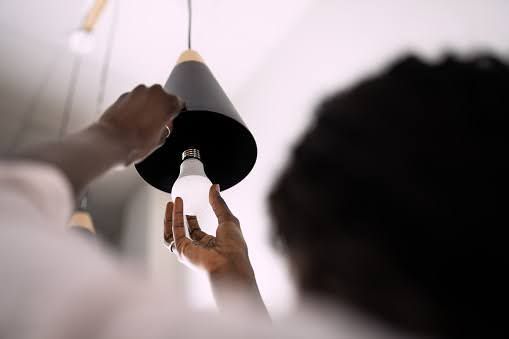
Switching to more energy-efficient light bulbs is something that everybody interested in embracing a more sustainable lifestyle should consider.
Just by using LED lights rather than standard incandescent bulbs, you can use as much as 75% less energy to light up your space. These light bulbs also last 25% longer, so you won’t need to spend extra money to change them as often.
Of course, turning off the lights when you aren’t in the room will also help you practice a more environmentally friendly lifestyle while also saving money on your electricity bill.
You can even consider taking it a step further by cutting down on electric lighting in the evenings and lighting candles instead. It can help our bodies adjust and self-regulate our circadian rhythms for increased deep sleep and renewed morning energy, while creating an ambient nighttime environment that helps you reduce electricity usage.
2. Unplug When You Can
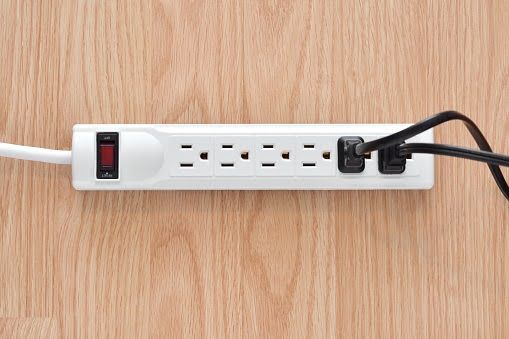
Virtually all household appliances and devices use up energy when they are powered off but still plugged in.
To stop wasting energy, unplug rather than keeping things on standby. Standby functions still consume 14% of energy and we’re all guilty of leaving things plugged in even when they aren’t in use.
Therefore, we suggest making use of power strips since they’re handy in saving electricity. Easily turn your power strips on and off with a switch without the hassle of unplugging devices, and they’ll help cut your electricity bill down each month.
3. Add Some Houseplants
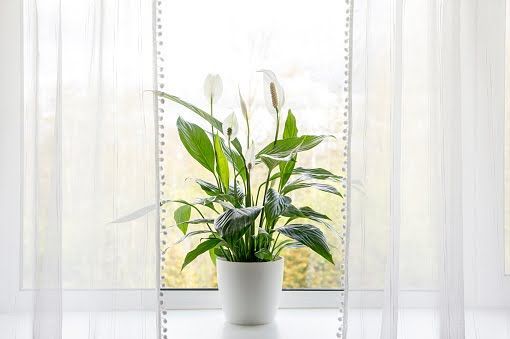
Instead of relying on something that uses electricity to purify the air within your apartment home, try going with something more natural. Houseplants not only look great and freshen up your space, but they can actually improve air quality.
The Snake Plant, for example, was named as one of the top air-purifying plants by NASA’S clean-air study. Another long-time favorite is the Peace Lily, which helps break down and neutralize toxic gases like benzene, formaldehyde, and carbon monoxide.
Both plants are easy to keep alive, so there’s no need to worry if you aren’t the most experienced plant parent!
Another way to add some green into your apartment home is to keep some fresh, potted herbs in the kitchen. If you don’t have a good windowsill to grow them on, consider one of the many table-top hydroponic gardens that require only water and even come with a built-in grow light.
4. Recycle, Recycle, Recycle
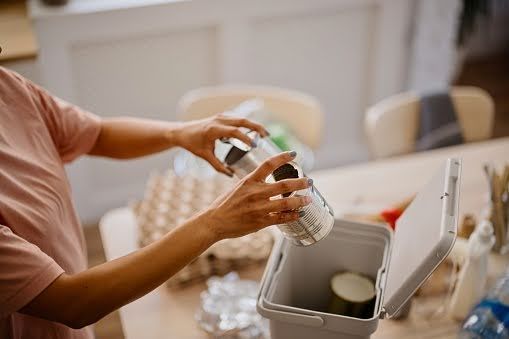
There are many ins and outs of recycling and it can get confusing at times, but learning how to correctly recycle can make a huge impact on your local community’s eco-friendly initiatives.
Many people throw away at least one or more items that could be recycled and some may not even be sure which bins to use for what, so feel free to call your property management office for building specific recycling guidelines!
5. Swap Out Plastic/Single-Use Items for Reusable Items
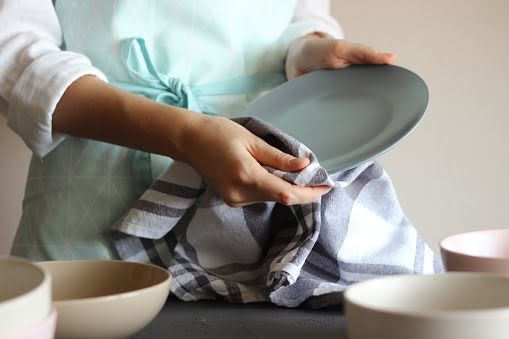
Try replacing plastics around your home with reusable alternatives, such as refillable glass bottles for hand and dish soaps or recycled mason jars for dry goods and spices.
You could even take the extra step to replace plastic toothbrushes with bamboo toothbrushes and swap out the plastic wrap for beeswax wrap.
It can also be easy to run through an entire roll of paper towels in what seems like no time at all. These convenient yet disposable household items create quite a bit of waste since they’re single-use.
An easy, eco-friendly change can be made by making the switch from paper towels to reusable dishcloths. Whether you opt to add more washable dishcloths or use washable bamboo towels that mimic paper towels, this change helps the environment and saves you some money in the long run.
6. Take Advantage of Non-Peak Hours
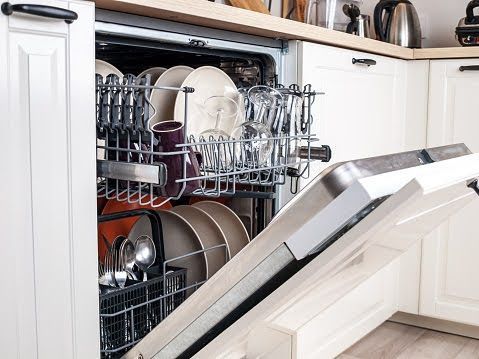
Something as simple as running your dishwasher or washer/dryer at a different time of the day can make your apartment eco-friendlier.
If you have a dishwasher, consider running it closer to the middle of the night by using the “delay” button, which allows you to use electricity during “non-peak” hours. This results in lower electricity bills and a more earth-friendly approach.
Similarly for a washer and dryer, it’s the most energy efficient to use cold water and wash at non-peak hours, which is usually between the hours of 6-8 am and 8-10 pm.
Additionally, only run your dishwasher and washer/dryer when it’s completely full to avoid wasting water and electricity.
The Path to a Greener Lifestyle
Living a more sustainable lifestyle is not always easy, and everybody should follow a sustainability journey that reflects their lifestyles and goals. At the same time, however, it is becoming more important every day to find strategies that allow us to reduce our environmental impact and conserve energy as well as natural resources.
In apartment living, there is also power in numbers. At Reside, we want to make a difference and know you do too. We’re committed to environmentally responsible living through our green building standards and other eco-friendly initiatives.
Making the move to Chicago or looking for a new apartment where you can start living a healthy, active, and sustainable city lifestyle? Take a look at Reside’s variety of unique Chicago apartments and explore by neighborhood
here!